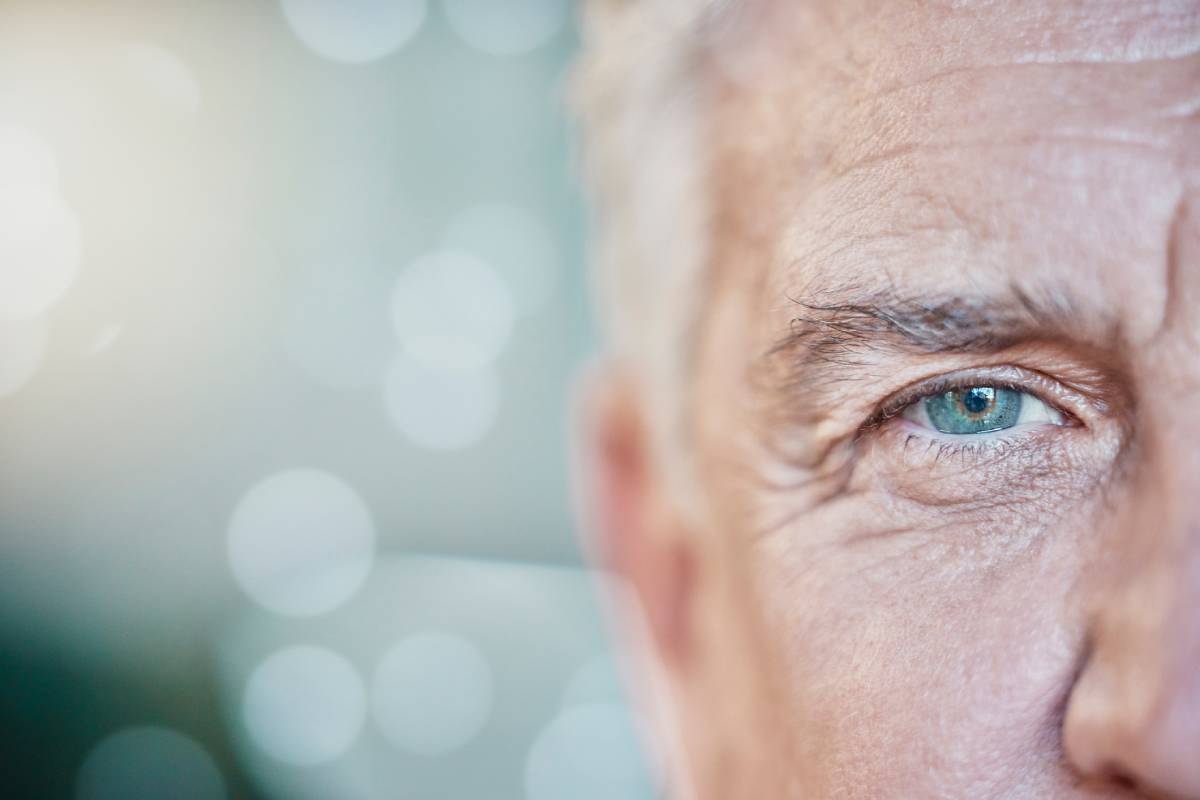
Eyelid skin cancer is a serious condition that requires immediate medical attention. Abnormalities around the eye require evaluation and specialized care. This is because the skin around the eyes is thinner and much more delicate than other areas. The structures around the eyes are also highly complex. When symptoms of eyelid skin cancer are present, there are several treatment options. The focus is on preserving the eyes’ function and appearance. The most effective way to achieve this is Mohs Surgery. Below you will find the role of Mohs surgery in treating eyelid skin cancer.
Treating Eyelid Skin Cancer With Mohs Surgery
Eyelid skin cancer is treatable, and the sooner you get evaluated, the better. Early intervention can preserve both the function and appearance of the eyes. Mohs surgery is widely recognized as the most precise and effective treatment approach. It offers the highest cure rates. This is achieved while minimizing tissue removal, a difficult and complex task. Understanding the role Mohs surgery plays in treating eyelid skin cancer is helpful.
Mohs surgery is a specialized technique that involves removing eyelid skin cancer layer by layer. Each layer is examined under a microscope right after removal. This ensures that no cancer cells remain. The eyelids are small and extremely delicate. This is why the layer-by-layer approach is so practical. It does not involve removing any more tissue than necessary. When performed by a skilled eyelid surgeon, this ensures the precise removal of the cancer. It also reduces the risk of eyelid deformity or vision problems.
Early Signs of Eyelid Cancer
Recognizing the signs of eyelid cancer early on increases the chance of a successful outcome. It also minimizes tissue loss and the risk of post-surgical deformities. Even small or subtle changes in the eye area can be significant. Early evaluation is necessary if you notice any of the following signs of eyelid cancer.
- Sores that do not heal within a few weeks
- Persistent lumps or bumps
- Red or irritated patches
- Crusting or scaly areas
- Bleeding
- Changes in eyelid shape or thickness
- Loss of eyelashes
Consult with an eyelid surgeon as soon as possible if you experience even just one of these symptoms. They can evaluate the changes and create a customized treatment plan based on your needs.
Risk Factors for Eyelid Skin Cancer
Certain factors increase the likelihood of developing eyelid skin cancer. Understanding these factors helps support early detection and timely treatment.
Fair Skin
People with fair skin are at a higher risk of eyelid skin cancer. Fair skin burns much more easily and increases the risk of sun damage. The skin on the eyelids is thinner and much more delicate than other areas. This makes it much more vulnerable to sun damage. Repeated exposure to UV rays leads to cellular damage. Over time, this can develop into skin cancer.
Avoid going outdoors without sun protection. This includes wearing SPF 30 or higher daily. You should also wear a wide-brimmed hat and protective eyewear outside. This provides added protection for the delicate skin around your eyes. If possible, avoid the sun during peak hours. These steps can reduce your risk of eyelid skin cancer.
Personal or Family History of Skin Cancer
Individuals who have had skin cancer before are more likely to develop cancer again. This includes eyelid skin cancer. If you or your family have a history of skin cancer, talk with your medical provider about protective steps you can take.
Those with an increased risk for skin cancer should get frequent checkups to identify any abnormalities early on. This can improve your outcomes and reduce your risk for tissue loss. Finding out how often you should visit your medical provider is key.
Excessive Sun Exposure
Spending extended periods of time in the sun without protection increases your risk for eyelid skin cancer. Tanning beds are also especially harmful as they expose the skin to harmful radiation. Over time, even brief exposure can add up.
Do not go outdoors without sun protection. This includes SPF 30 or higher, a wide-brimmed hat, and protective eyewear. If you are in water or sweat, reapply SPF every two hours for optimal protection. Avoid using tanning beds entirely due to the harm they can cause to your skin.
Top Eyelid Surgeon
Getting the very best treatment for eyelid skin cancer is essential for your long-term health. If you require treatment, contact the team at Jeffrey Joseph Ophthalmic Plastic Surgery today to schedule your consultation!